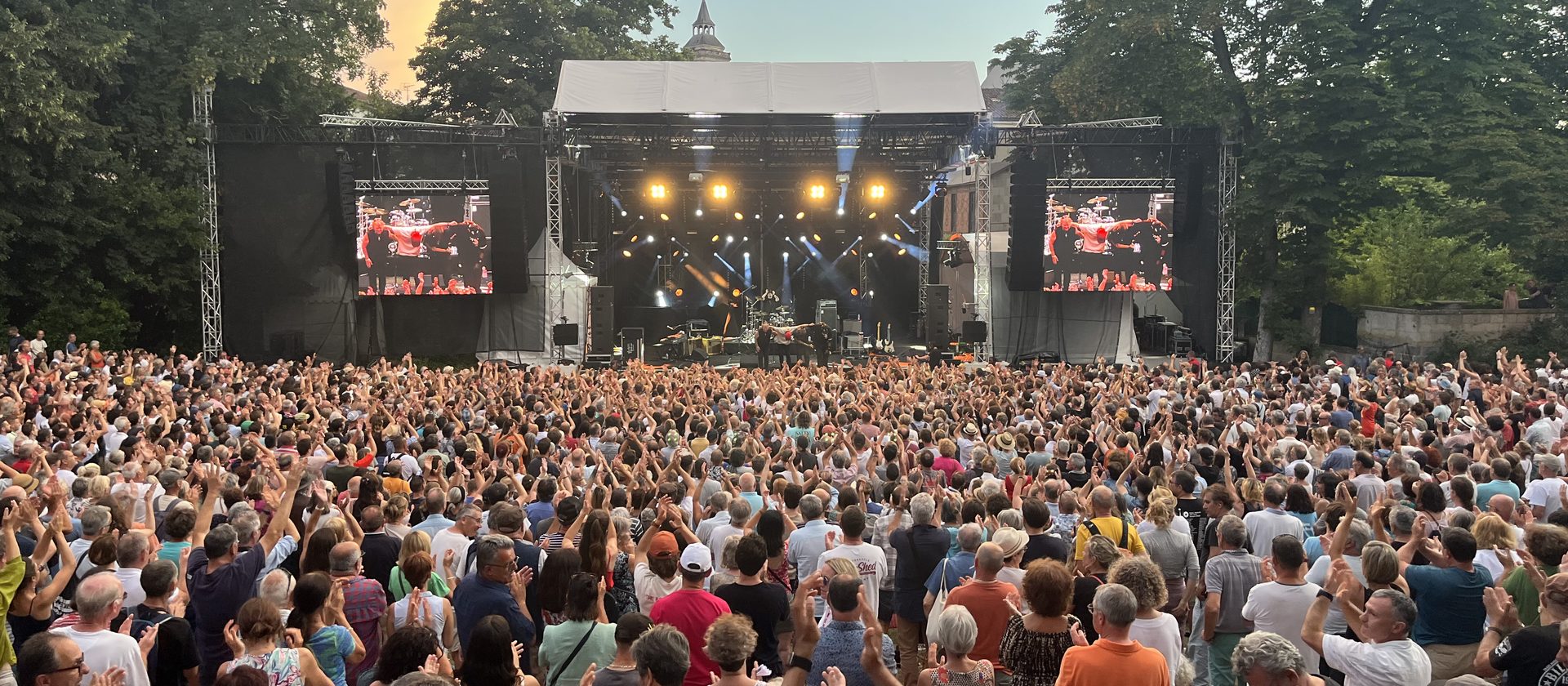
As we are entering the height of festival season, most of the soundchecks happening this summer are not really soundchecks at all. When there are twenty bands on the festival bill, the changeover between acts is usually thirty minutes at best. Unless you are the headliner or direct support, chances are your band will only get a quick line check and a brief opportunity to test your most important inputs.
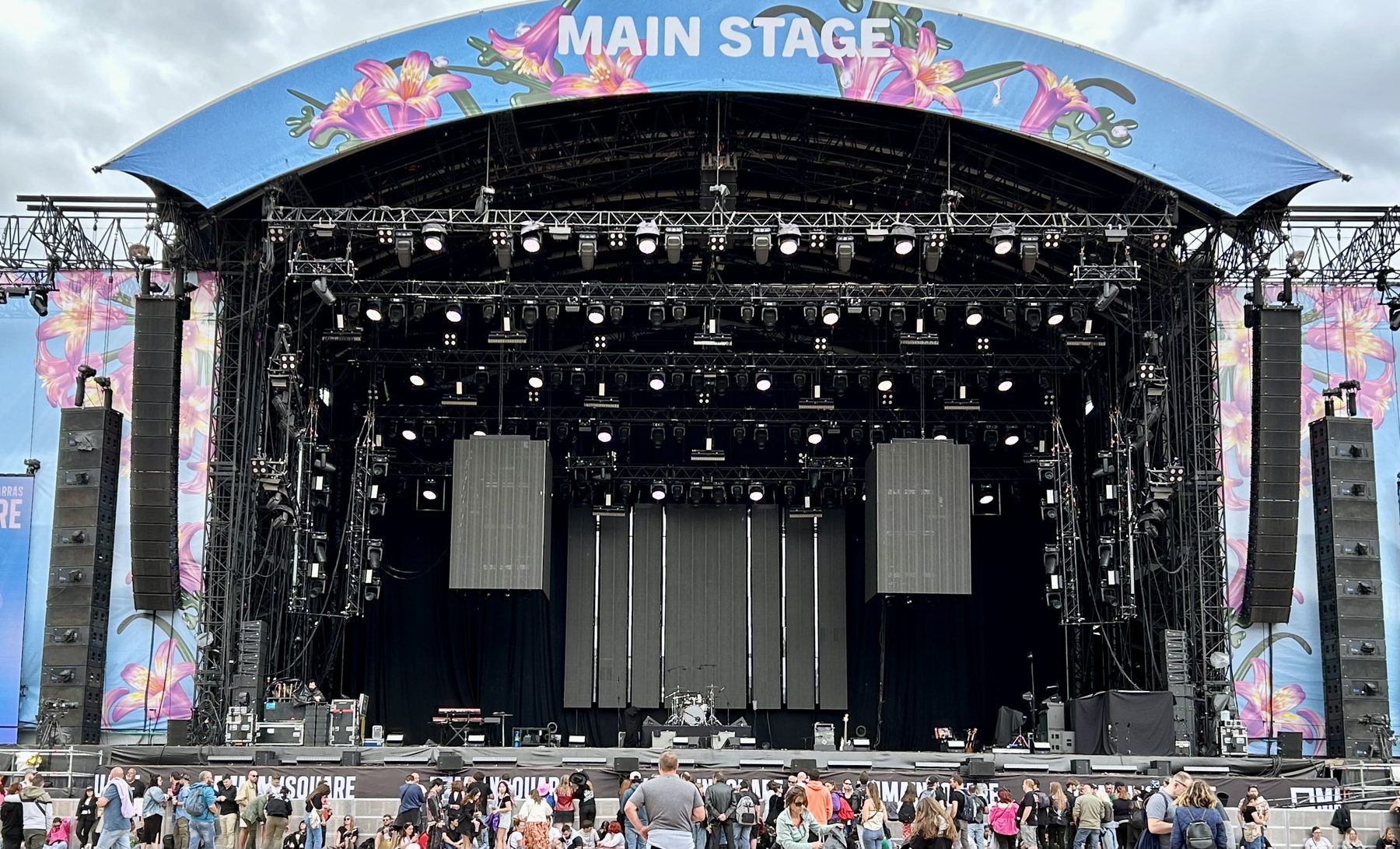
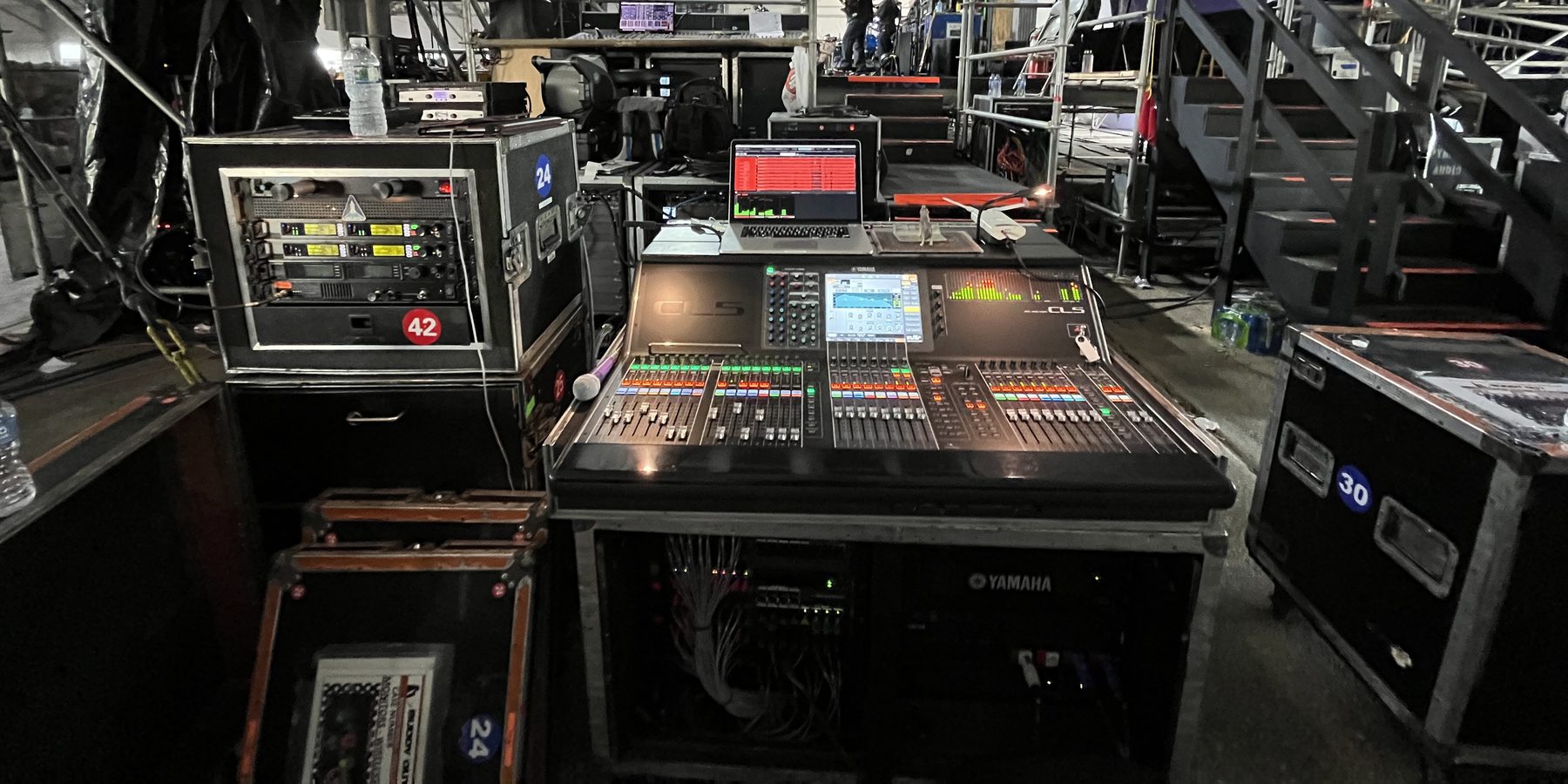
Plenty of bands cannot afford to carry a dedicated engineer, and the ones that do won't always have access to the same mixing consoles. The consoles have changed a lot over the years, and if you're touring with dedicated engineers, having a set of reliable show files can certainly help a lot.
Right up until the festival puts a desk in front of your techs that they have never touched before. If the show was advanced properly, you might start with a rough idea, but eventually a scenario will emerge that requires you to make mixes on the fly.
Whether you are working with a seasoned engineer or the random local sound technician du jour, the clock is the same. Your gear sits in the wings while the stagehands clear the last act off the deck. Ten of those minutes disappear getting your rig on, cabled, powered, and patched. Whatever is left is yours.
Call it fifteen, maybe twenty minutes. But some days there are technical problems or the stage is short handed, and that leaves you with ten minutes or less.
Here is what I've seen engineers do with those minutes, at every level of this business. They start with the kick drum and move down the line from there. But halfway through they are still yelling "who wants more drums" across the deck and tweaking gates on toms, and not one person on that stage has heard a vocal yet. Because that is how they have always done it, and habit is one hell of a stupid drug.
Here's what's at stake. For a lot of these bands, that festival slot is the biggest audience they will play to all year. Some of them may never stand in front of a crowd that size again. I've watched more than one up and coming artist get handed exactly that opportunity, only to walk off stage frustrated because they never connected with the audience. Their rushed soundcheck fell apart, so they spent the set fighting the stage and struggling to hear themselves instead of playing to the crowd.
If you take nothing else from this piece, take this. In a festival changeover, the input list is not your running order.
Start with the vocals.
Communication Breakdown
A break in communication raises stress and anxiety in every environment I have ever worked in, and a stage is no exception.
Walk into any professional studio and watch what the engineer does before anything else. They open up a push-to-talk. A direct line between the control room and the live room. Nobody starts a session by shouting through glass.
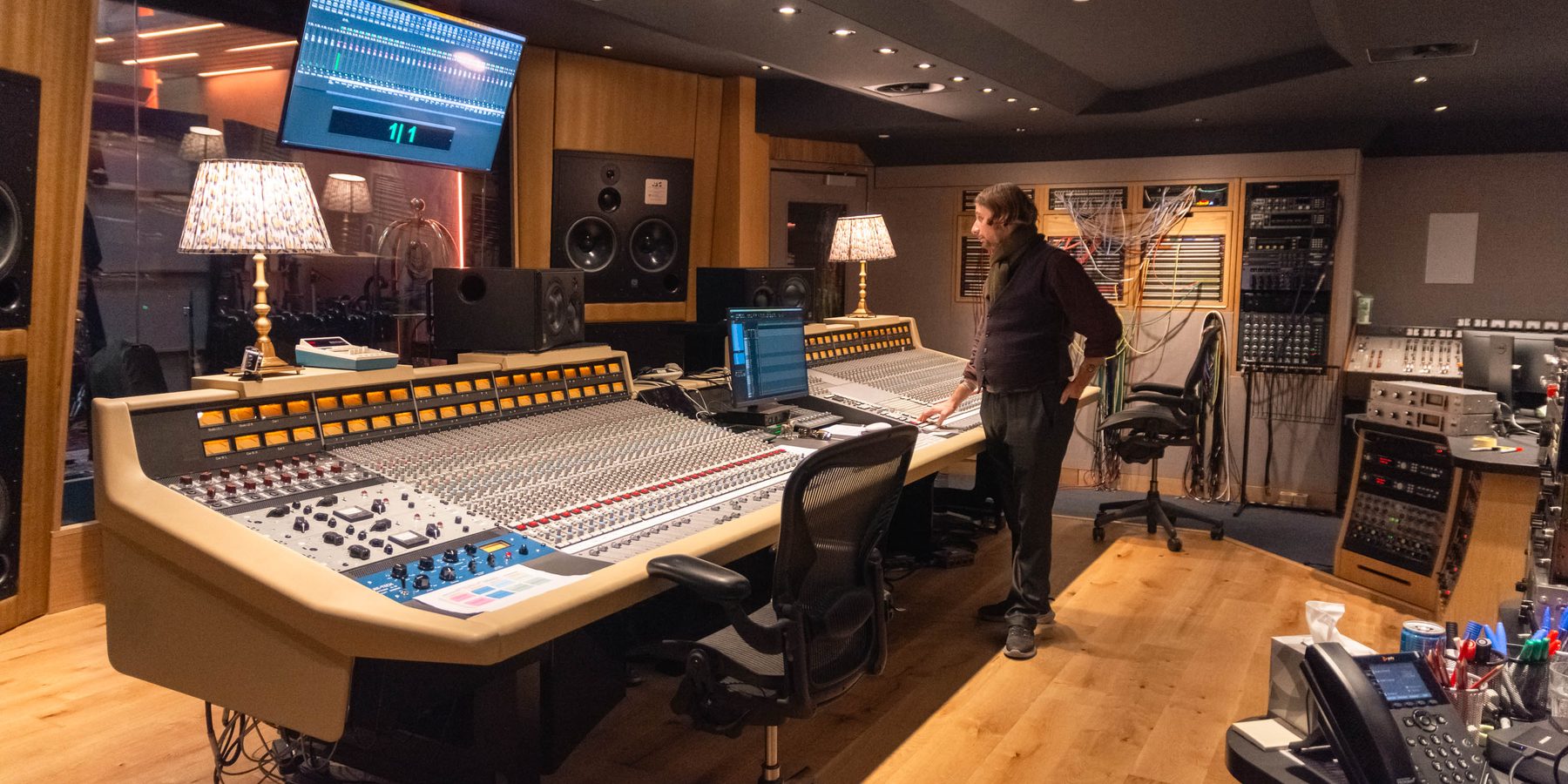
A festival is no different, except the distances are far worse. Front of house is often 30 meters or more from the deck, and it is genuinely strange how often I have watched a guest engineer try to close that gap by yelling and throwing frustrated gestures at somebody who cannot hear a word of it. On a large mobile stage the monitor engineer is still 10 meters or more from the band, with a pile of background noise sitting between them.
So set up your talkbacks first. From front of house and from monitors. Confirm they are audible in every monitor wedge and every in ear monitor (IEM) mix before you touch a single input.
I always suggest ringing out the monitor wedges before any band member walks on deck. The vocals should be clear and clean, and have room to breathe if the artist needs them louder, because turning them down is much easier than fighting feedback to raise the output.
Then build yourself a way to hear back. My habit is a communication group, a bus fed by every vocal mic on the stage, sitting in my headphones or IEMs for the whole check. It exists only for communication and soundcheck. The moment anyone on that deck speaks, you can hear them, without soloing around trying to work out who is talking.
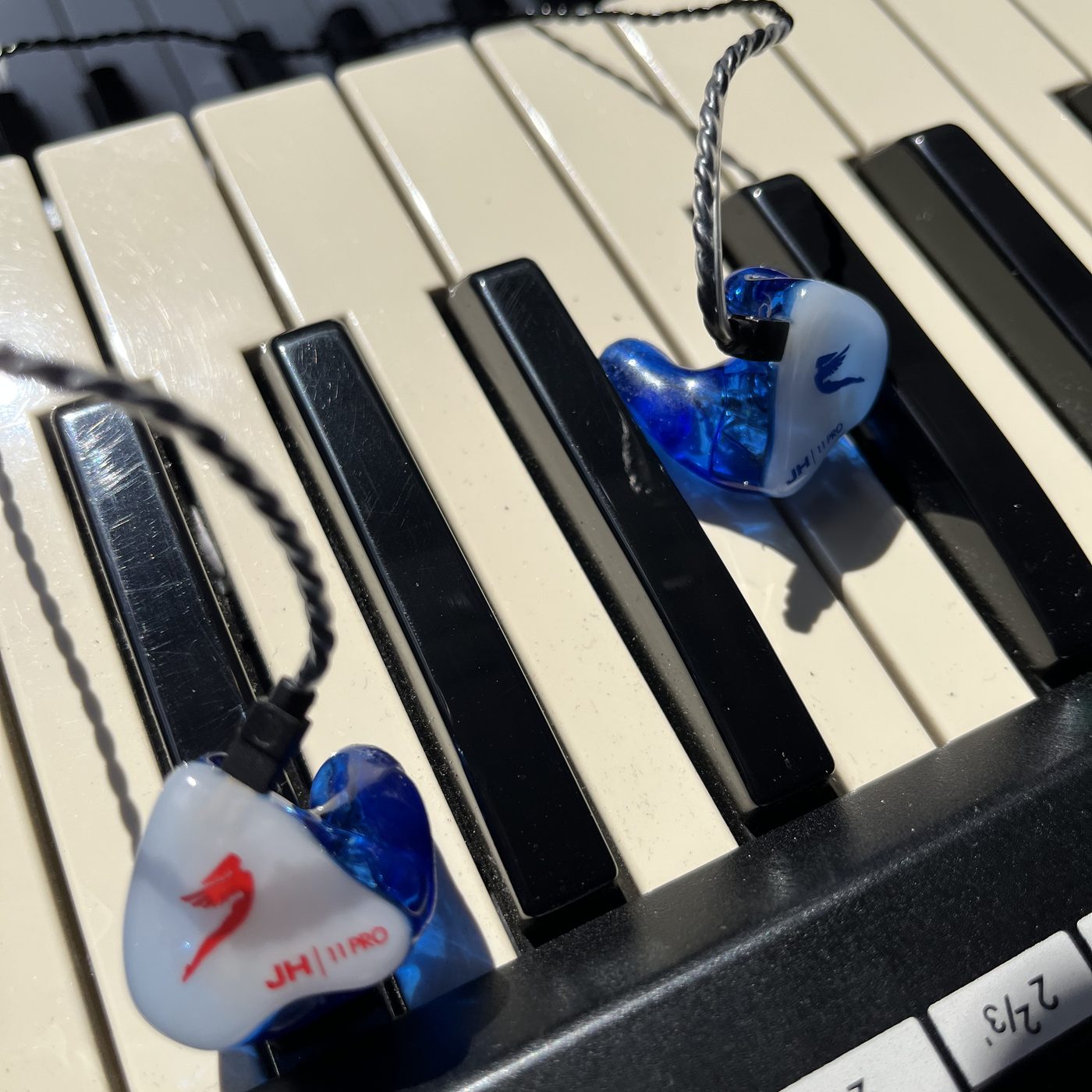
If a player does not sing but is on IEMs, give them a microphone anyway for the start of the check. IEMs isolate people. Without a mic that musician is sealed out of the conversation entirely, and the first you will hear about their problem is when it turns into one in front of an audience.
Get that working and the rest of the check moves at double speed.
Remember what the job is called
Sound reinforcement. The name tells you the priority. Reinforce what is not loud enough on its own. A guitar rig is loud. A drum kit is loud, and a bass pumping through a refrigerator sized Ampeg 8x10 is already omnipresent long before you unmute the DI.
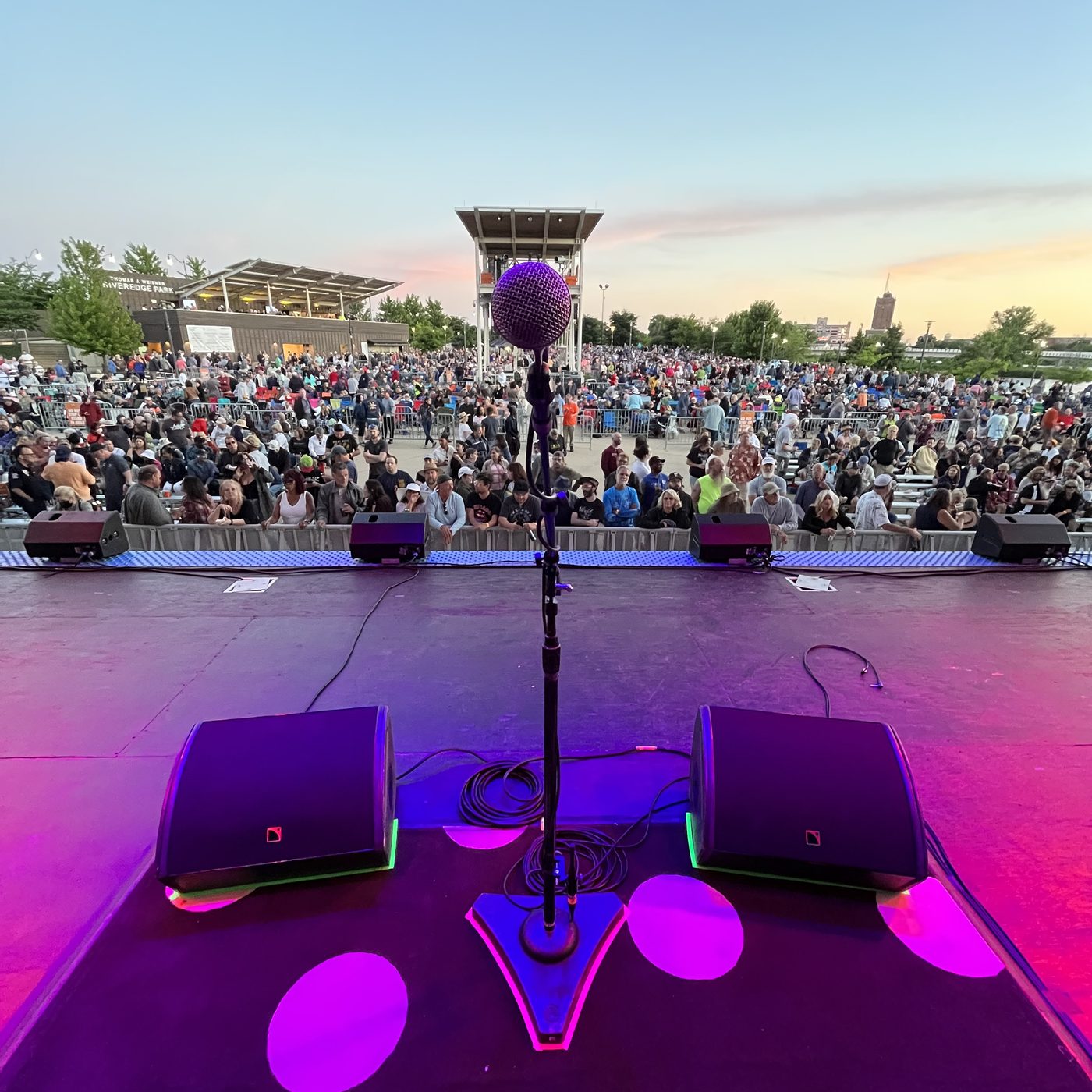
The human voice is the weakest thing on that stage and it is competing with all of it. It's also the most likely thing to feed back, the least forgiving thing to get wrong, and honestly, the reason most of the audience bought a ticket.
So reinforce the thing that needs reinforcing. Vocals first. Build everything else around them, and you won't spend the rest of the night fighting other inputs for headroom.
This is true in both chairs. Any professional stage has a front of house engineer and a monitor engineer, two people doing two jobs. The philosophy does not change between the positions. Monitors make sure the band can hear themselves clearly. Front of house makes sure the audience hears the vocal intelligibly and the band clearly. Same principle, working in parallel.
Why the old habit fails you
I understand the habit. I learned the same way. Kick, snare, then the rest of the kit followed by percussion. By the time you reach the bass you are a dozen or more channels deep. Work your way up, build the foundation, add the melody on top. When you have an hour in a theatre, it is a perfectly fine way to work.
Do the math on a festival stage. On a typical patch the vocals are twenty or thirty channels deep. If you check inputs in patch order, you will reach the most important channels with two minutes left, a stage full of noise, and a singer who has not heard themselves once.
Worse, you have spent the whole changeover with no way to talk to anyone. No communication line to the stage means every instruction is hand signals and shouting over a PA. That's not a workflow, it's a nightmare. I've seen it eat up entire changeovers with everyone walking away stressed. Until the stage manager has had enough and yells "okay, time's up, get off my deck."
The work you do before the band appears
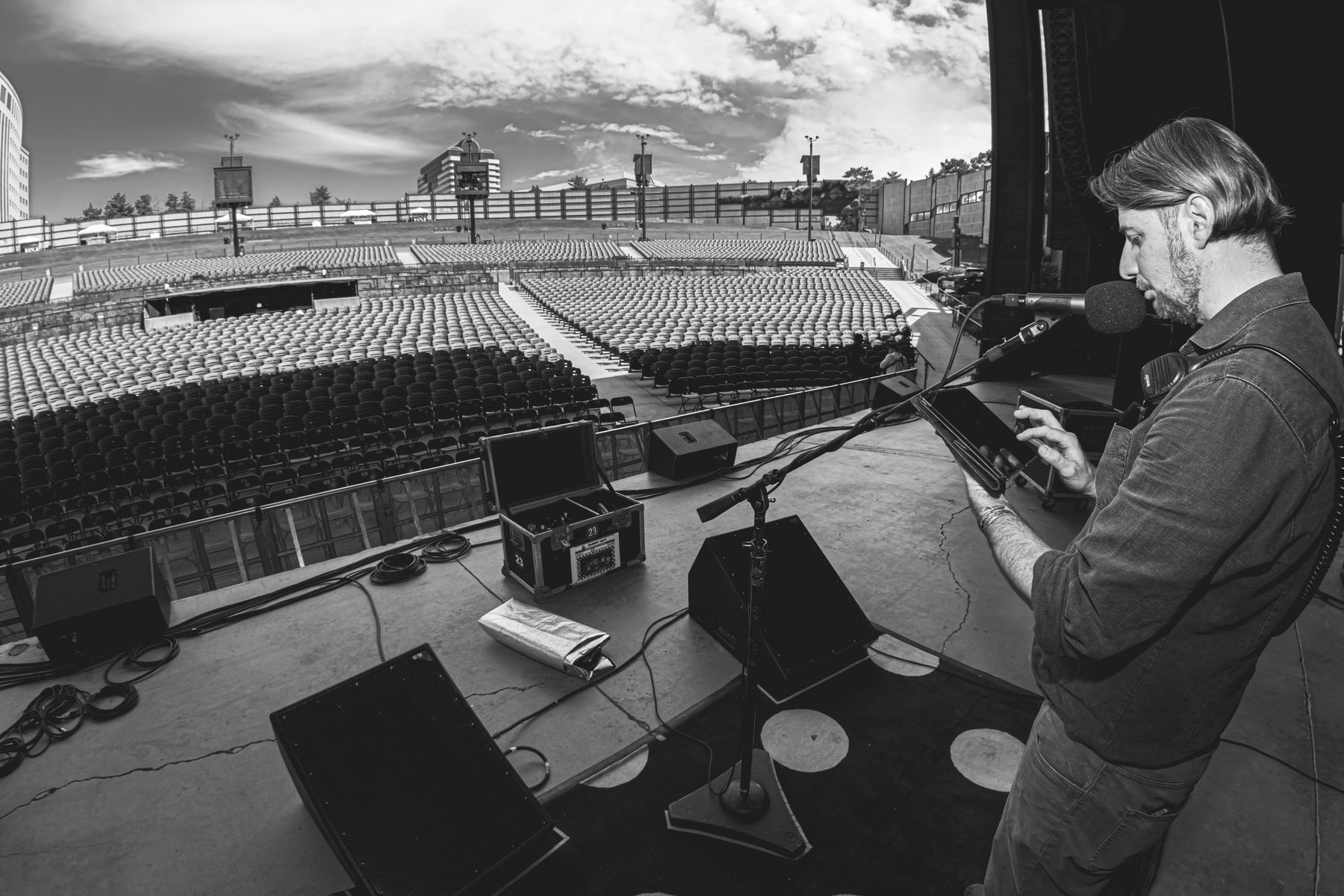
The most valuable minutes of a festival soundcheck happen before the artist ever sets foot on stage. Three things come before any of it.
Talk to the musicians before the day starts. Ask each one what they need in their mix and what they do not want in it. That conversation costs you five minutes in catering. On stage it saves you time you don't really have.
Talk to the house engineers too. If you ask like a colleague instead of a visitor, they will tell you what you need to know. They know the stage and the rig better than you will by showtime.
If you have virtual soundcheck, use it. We never had that luxury in the analog days and I am still a little amazed by what it lets you prepare in advance.
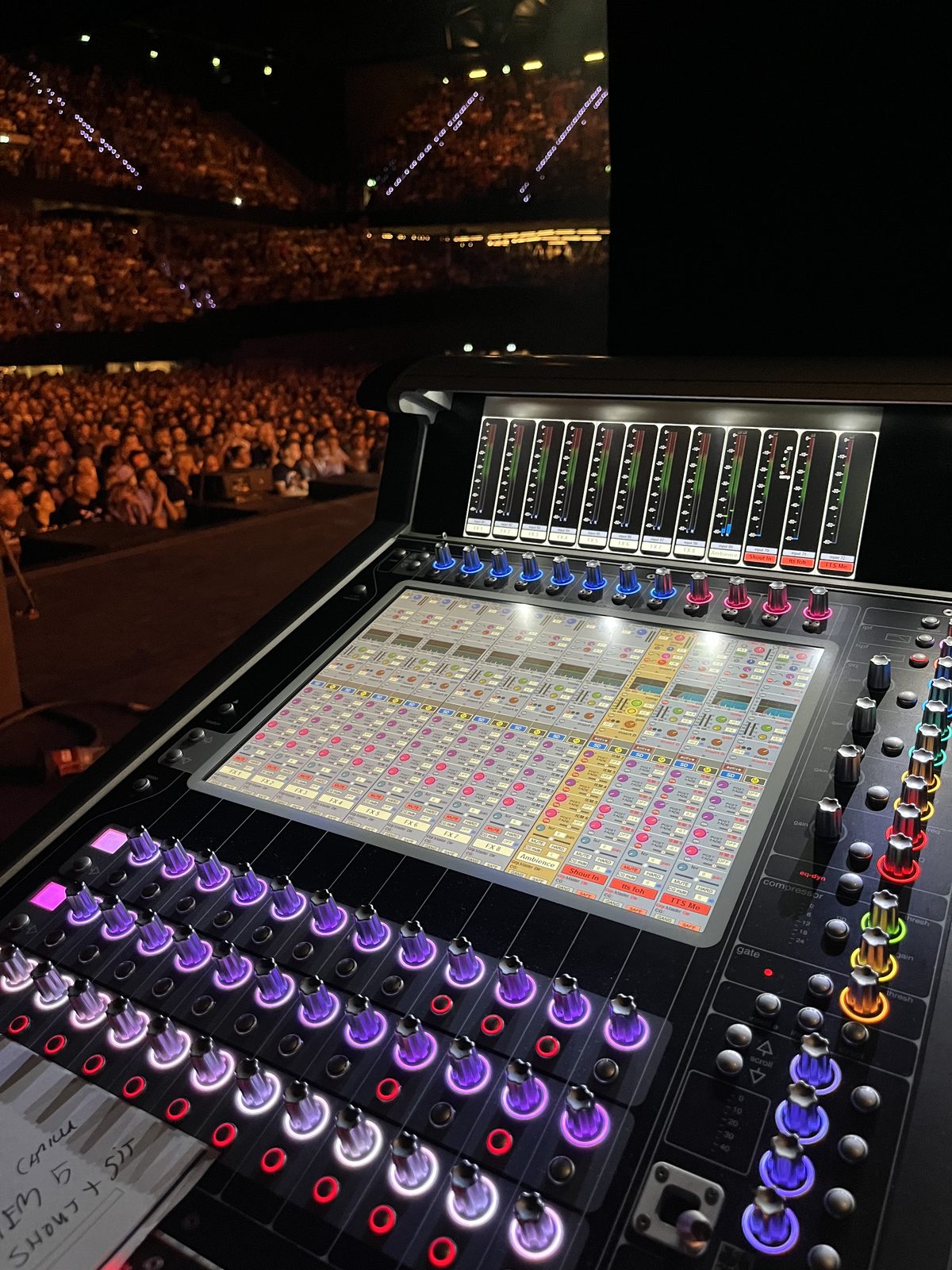
Load your show file. Then send pink noise through every output you own and confirm it lands where it should. For front of house, confirm left, right, subs, front fills, delays, broadcast, recording, and every matrix you are feeding. Monitors should check every monitor wedge, every IEM mix, and the side fills. You are listening for level, for buzz, for hum. The whole system, verified, before a single musician is standing on the deck.
Then line check the inputs. If the band carries their own backline and consoles, and you can get to them in the wings, tap test everything before it ever rolls on stage. You are not shaping sound here. You are confirming the rig works. Signal on every channel, arriving at a sensible level, and move on.
There is a reason this order matters, and it is not efficiency. It is confidence. When an artist steps up to the mic and hears themselves immediately, you've earned their trust and set the night up properly. It is easy to turn someone down. It is nearly impossible to win back the trust of a singer who stepped onto a dead stage while you fumble through other inputs.
Now the vocals themselves
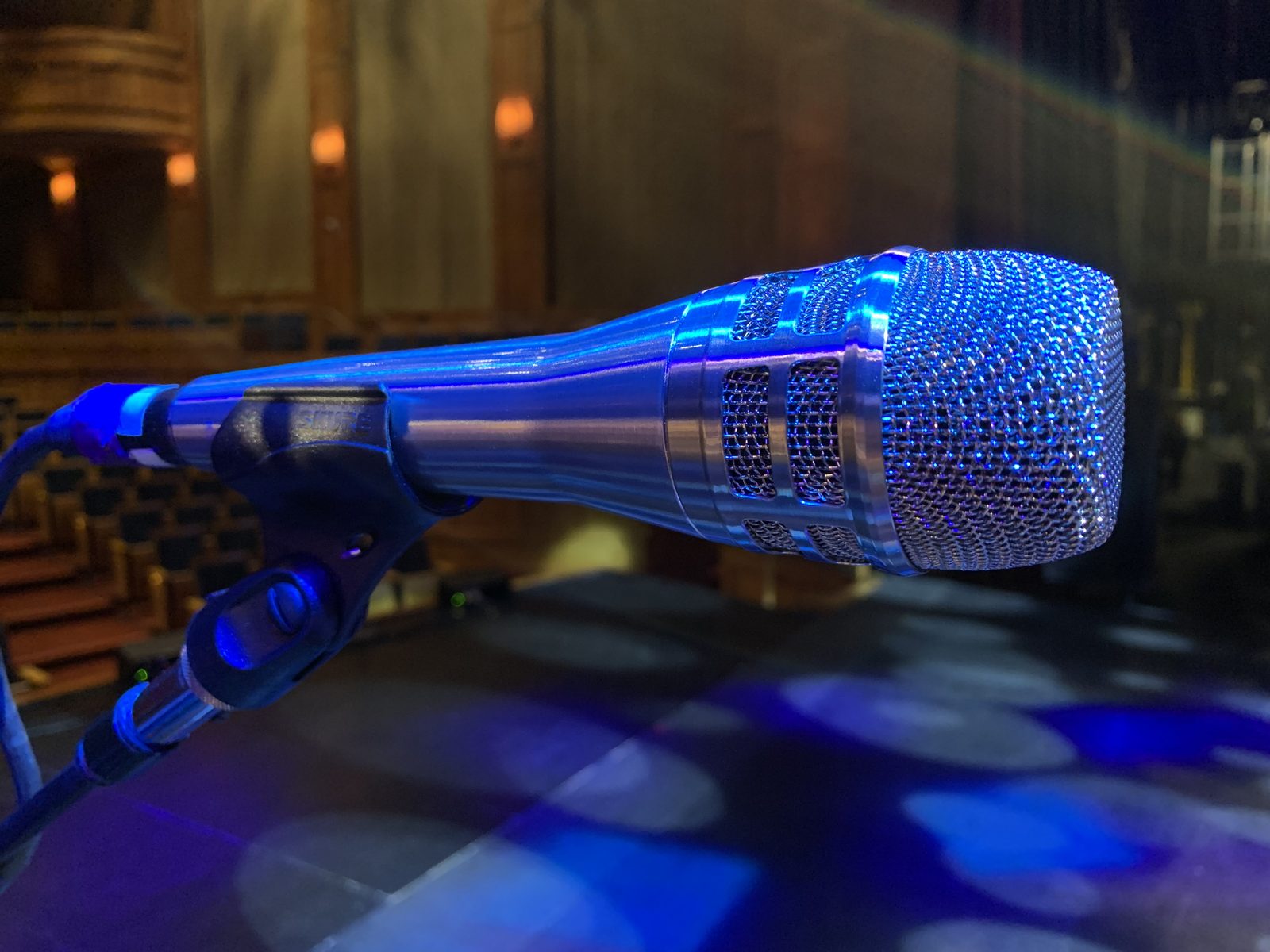
Start with the lead vocal, then ask who else is singing. Set proper gain. Make sure every singer can hear themselves clearly and naturally, and that everyone else on stage can hear them too. Backing vocalists get skipped constantly and it is always a mistake. A harmony singer who cannot hear the lead will drift all night.
This is where the headroom you built ringing out those monitor wedges earlier pays off. On a festival stage, where the wind does what it wants and the PA behaves differently off axis every hour, that headroom is the difference between mixing and managing an emergency. A good engineer spends the set mixing the show, not fixing it.
Build around the anchor
Vocals locked, bring in the band. Drums, then bass, then guitars and keys, then player by player until each mix works for the person living inside it.
How far you build depends entirely on what they are listening through, and these are two different philosophies.
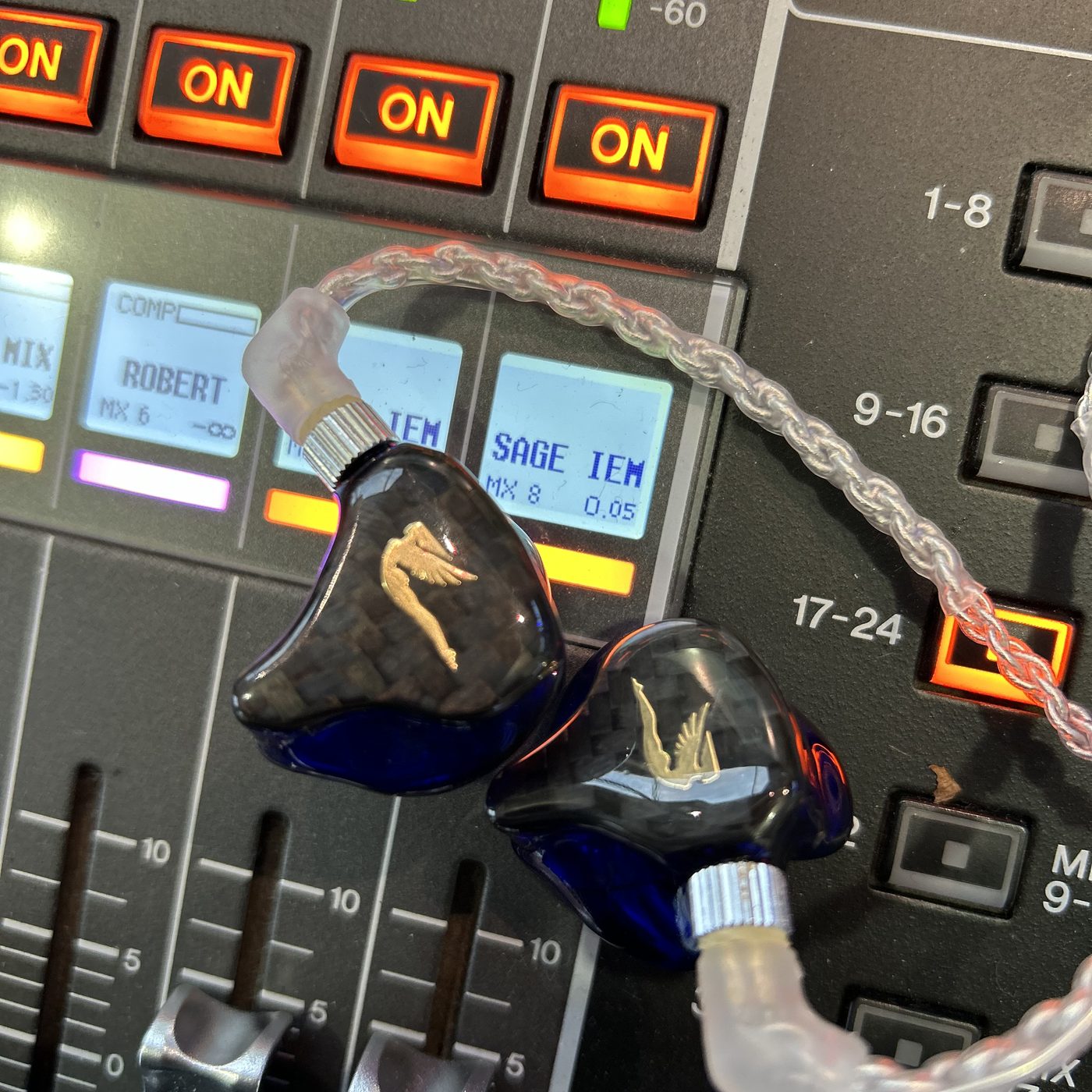
IEMs give you room to work. Each performer gets a discrete mix, sealed off from everything happening around them. A change of one or two decibels is very audible, so small moves land where you put them. You can build a real stereo mix with real balance, and if the time exists it is worth doing. Monitor wedges are the opposite discipline. Every input you add to a wedge just puts more noise on the deck. That noise spreads, smears intelligibility across the stage, and bleeds into the front of house mix as a wash you cannot EQ away. The goal on monitor wedges is the lowest possible level at which the artist clearly hears what they need. If the drummer needs kick and snare, give them kick and snare, not the whole kit. Loading up side fills is the same mistake at a larger scale. It just piles garbage on the deck for very little gain. IEMs reward small moves. Monitor wedges swallow them. Vocals come first on both.
What you let go
You should verify everything, but you probably won't have time to polish it. That is the whole premise, so choose your sacrifices on purpose.
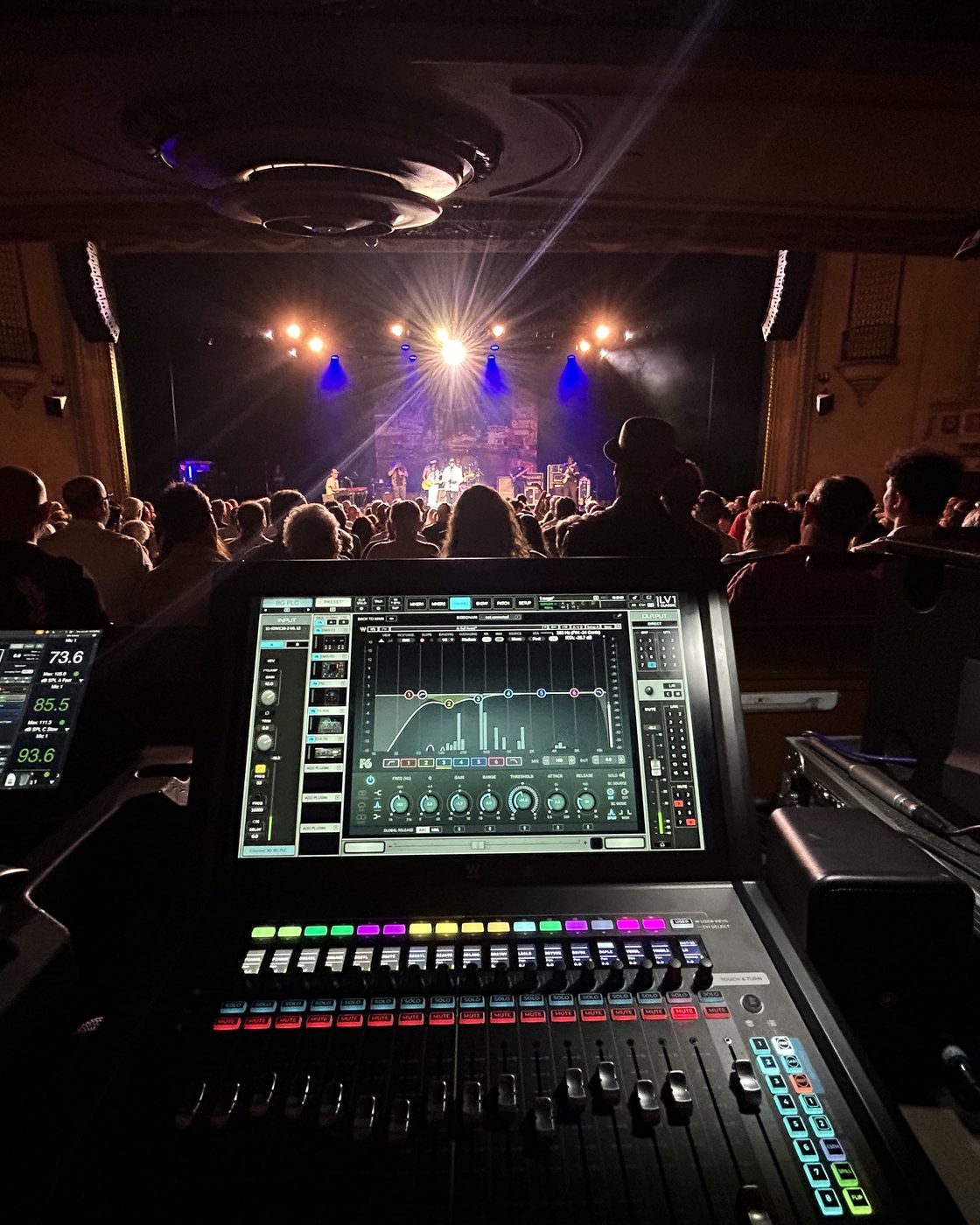
I've seen engineers burn precious time carving EQ and adjusting gates on toms that only get hit four times in the entire set. Should you gate your toms? Absolutely. It's a good practice. It's just not what you should prioritize during a rushed soundcheck. Confirm the signal is there, the gain is good, the high pass is engaged, and move on. You can chase tonality during the first song, because nobody on that stage is depending on the toms to do their job.
Trying to fix a vocal during the first song has already cost you trust, or earned you some questionable side eye from the management. By then the lead singer has decided how the night is going to go, and that affects the entire performance.
The point
A festival soundcheck was never about making everything sound perfect. There was never enough time for that.
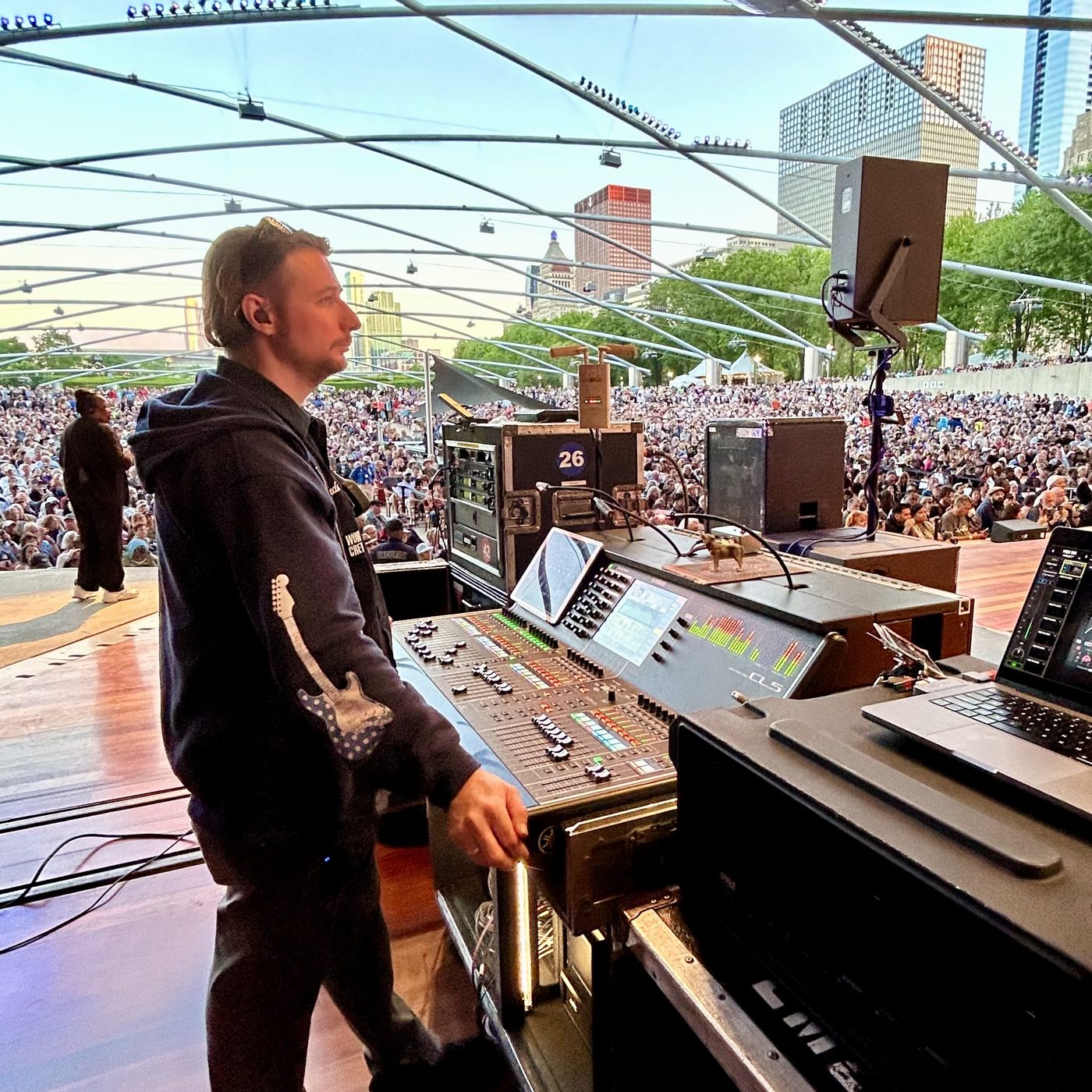
It is about eliminating what can go catastrophically wrong and giving the musicians on stage what they need to walk out with confidence. Sort by risk. The vocal sits at the top of that list on every show. Handle it first and everything after is just mixing.
-SA